The nitrogen footprint calculator has predicted the large impact of meat production on global nitrogen loss but it could not form the relationship. Burning fossil fuels application of nitrogen-based fertilizers and other activities can dramatically increase the amount of.

Nitrogen Cycle An Overview Sciencedirect Topics
Dead organic material ammonification nitrification plants D.

. Under natural conditions large intact tracts of forest are capable of storing excess nitrogen. Which of the following is a recent human impact on the nitrogen cycle. Which is true of human impacts on the global water cycle.
Increased precipitation can increase erosion and thus increase the transport of nitrogen and other chemical nutrients into soils freshwater environments and coastal waters. The energy that drives the hydrologic cycle comes primarily from. Reactive nitrogen is an important driver of air pollution worldwide and as sulphur emissions have lessened nitrogen is now the principal acidifying component in acid rain.
Under natural conditions large intact tracts of forest are capable of storing excess nitrogen. Many human activities have a significant impact on the nitrogen cycle. What impact can deforestation have on the water cycle.
Aside from fertilizers and fossil fuels a number of other human activities release nitrogen into the environment and impact the nitrogen cycle. Plant proteins animal proteins nitrification N2 in the atmosphere. The nitrogen cycle is a natural process that adds nitrogen to the soil.
However deforestation and development have largely changed the dynamics of nitrogen in forests. Human impact on the nitrogen cycle is diverse. Julius Vira - Cornell University.
Why is nitrogen fixation such an important step in the nitrogen cycle. N2 in the atmosphere nitrification plants C. Since the mid-1900s humans have been exerting an ever-increasing impact on the global nitrogen cycle.
Impacts of Excess Nitrogen on Health It is clear that excess nitrogen is not good for our environment. However the use of fertilizers has increased the amount of usable nitrogen in the soil. The Haber-Bosch process _____ removes nitrogen from the atmosphere.
Plants cant use nitrogen in the form of N2. Which of the following accurately represents a sequential portion of the nitrogen cycle. What are two ways humans impact the nitrogen cycle.
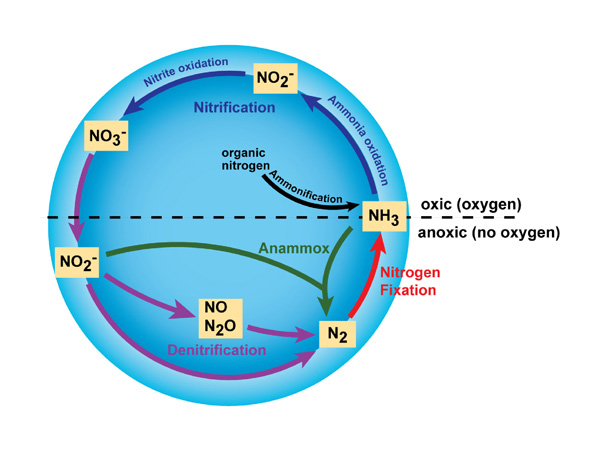
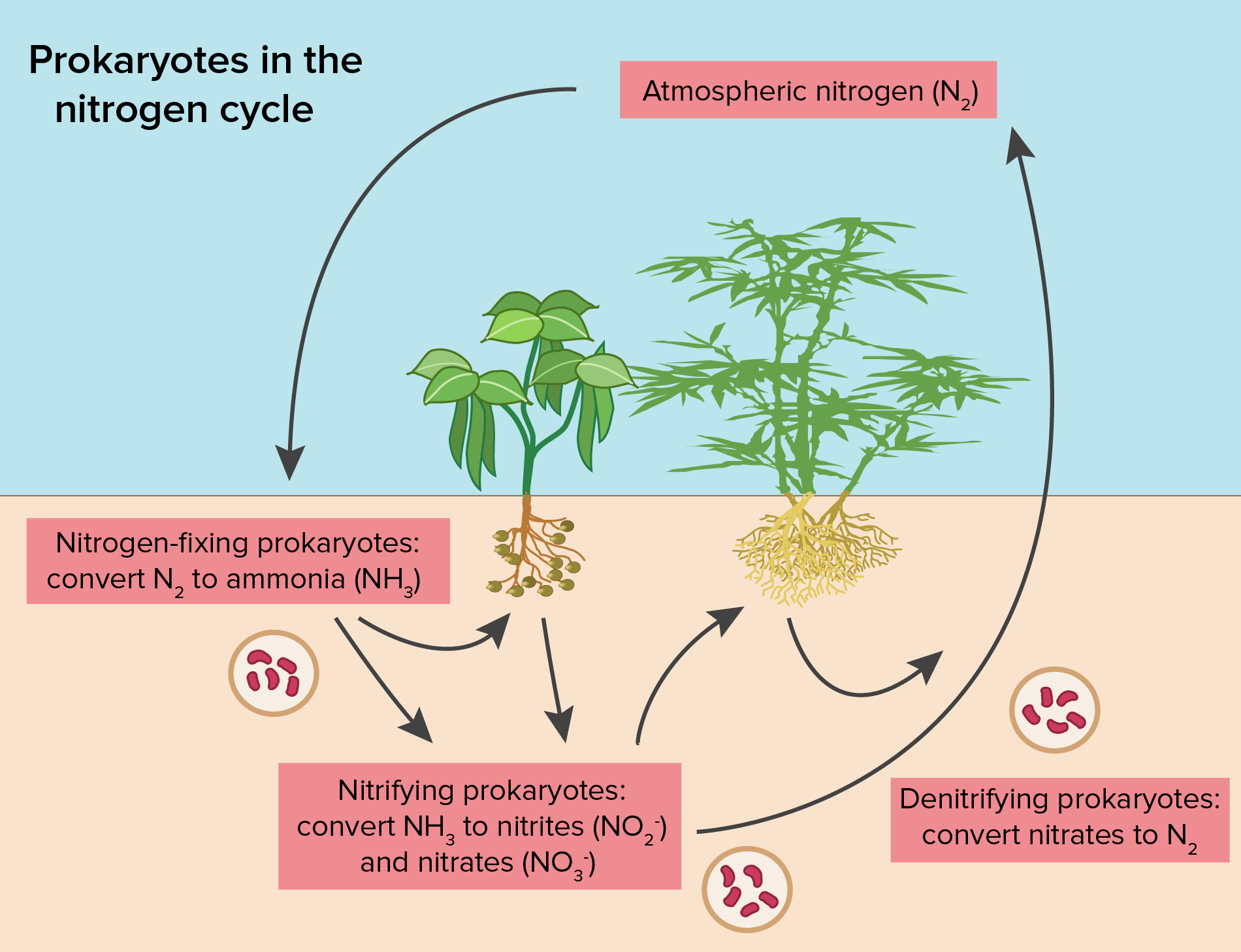
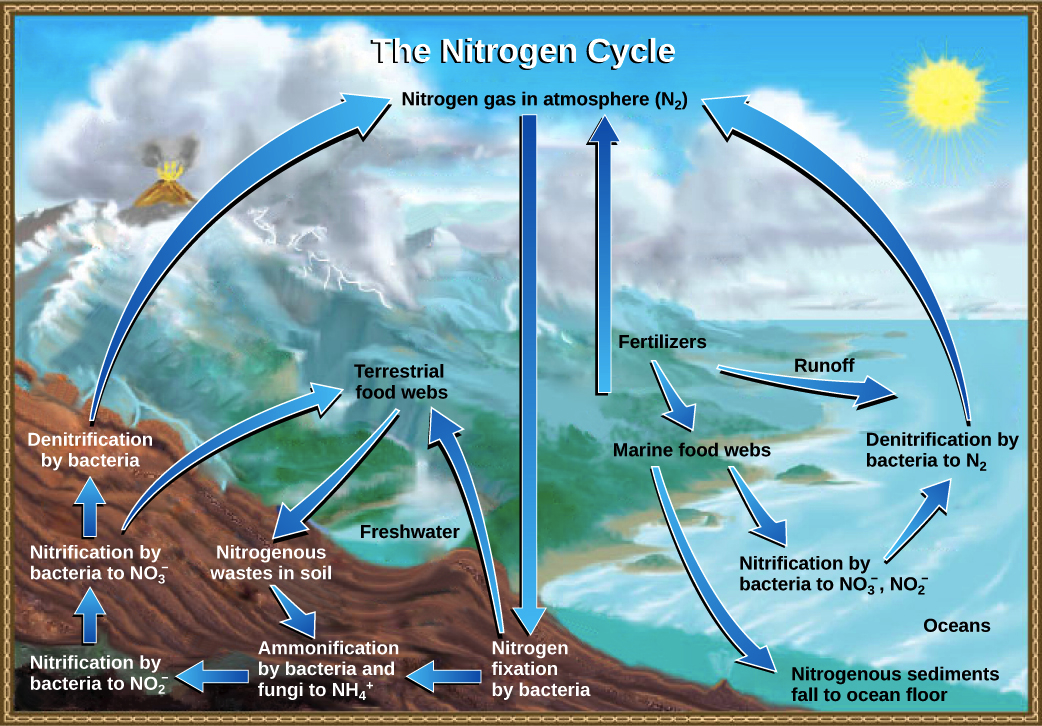
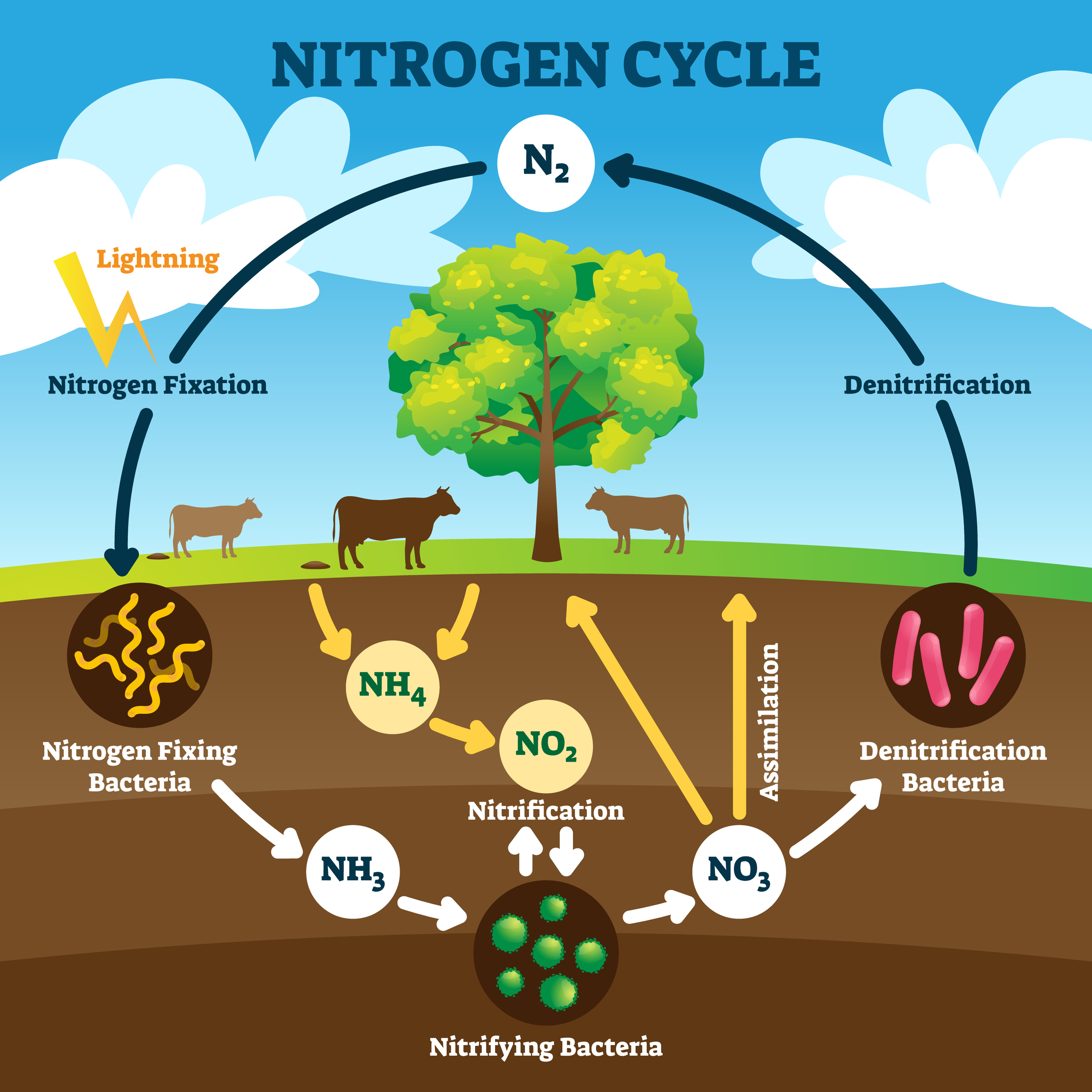
Global atmospheric nitrous oxide N 2 O mole fractions have increased from a pre. Process of Nitrogen Cycle consists of the following steps Nitrogen fixation Nitrification Assimilation Ammonification and Denitrification. 1 has been significantly altered over the past century.
Which of the following bacteria are able to convert soil nitrites to nitrates. Agricultural and industrial nitrogen N inputs to the environment currently exceed inputs from natural N fixation. B solar energy gravity.
The extra nitrogen seems appealing from the agricultural viewpoint that more nutrients in the soil means higher yield crops. Withdrawals of surface water and groundwater for agriculture industry and domestic uses deplete rivers lakes and aquifers. These processes take place in several stages and are explained below.
5 Stages of Nitrogen Cycle With Diagram Nitrogen being 79 per cent of the atmosphere the atmospheric phase is predominant in the global nitrogen cycle. Atmospheric nitrogen serves as the ultimate source. However deforestation and development have largely changed the dynamics of nitrogen in forests.
A cows herbivorous diet indicates that it is an __________. Aside from fertilizers and fossil fuels a number of other human activities release nitrogen into the environment and impact the nitrogen cycle. All of the following have an impact on the nitrogen cycle except.
Deforestation habitat loss and erosion can reduce the nutrient levels in soils. The step in the nitrogen cycle where bacteria convert ammonia Nh3 to nitrate NO3- is a ammonification b nitrification c nitrogen fixation d assimilation e denitrification. Most of this increase can be attributed to the use of synthetic nitrogen fertilizers for agricultural purposes 120 Tg N yr-1.
Nitrifying bacteria convert _____ to _____. Which of the following health problems associated with UV exposure is also associated with thinning of Earths ozone layer. Anthropogenic reactive nitrogen production has increased significantly since the preindustrial with a large environmental impact.
It is required by organisms in the synthesis of proteins nucleic acids and other nitrogenous compounds. It is also not good for our health. Human activity can release nitrogen into the environment by two primary means.
The recycling of nitrogen through manure has also had a profound impact on. N2 in the atmosphere ammonification nitrification plants B. Intensive livestock farming has negatively impacted the environment by contributing to the release of ammonia and nitrous oxide groundwater nitrate pollution and eutrophication of rivers and estuaries.
Bacteria convert atmospheric nitrogen to which of the following process of nitrogen fixation. Human activities such as making fertilizers and burning fossil fuels have significantly. As a consequence of anthropogenic inputs the global nitrogen cycle Fig.
The combustion of fossil fuels which releases different nitrogen oxides and by the use of artificial fertilizers in agriculture which are then washed into lakes streams and rivers by surface runoff. Which of the following cycles would be considered sedimentary.
The Nitrogen Cycle Processes Players And Human Impact Learn Science At Scitable

What Are The Steps Of The Nitrogen Cycle Howstuffworks
The Nitrogen Cycle Article Ecology Khan Academy
The Nitrogen Cycle Article Ecology Khan Academy
Why Is The Nitrogen Cycle So Important Earth Com
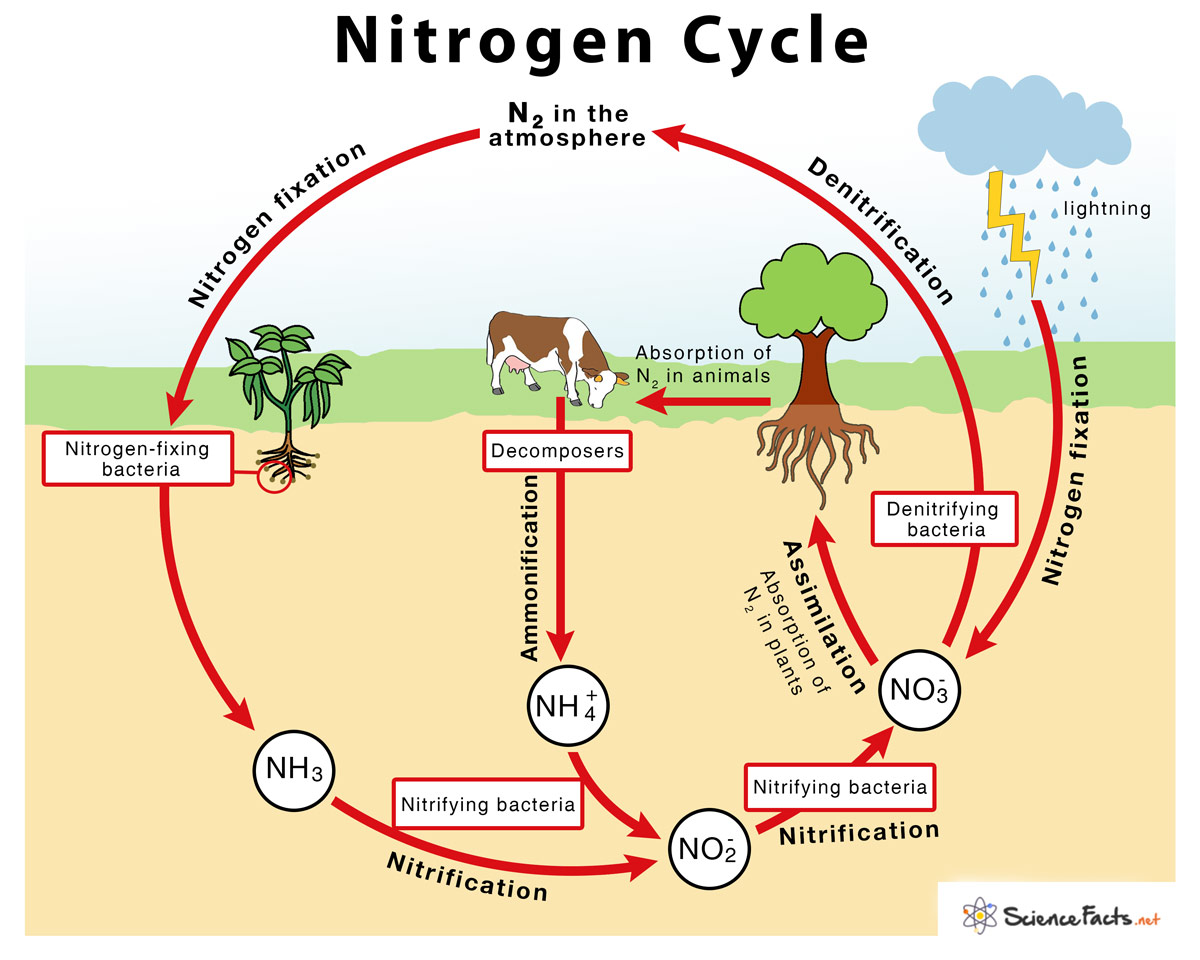
Nitrogen Cycle Definition Steps Importance With Diagram
The Nitrogen Cycle Shalom Education
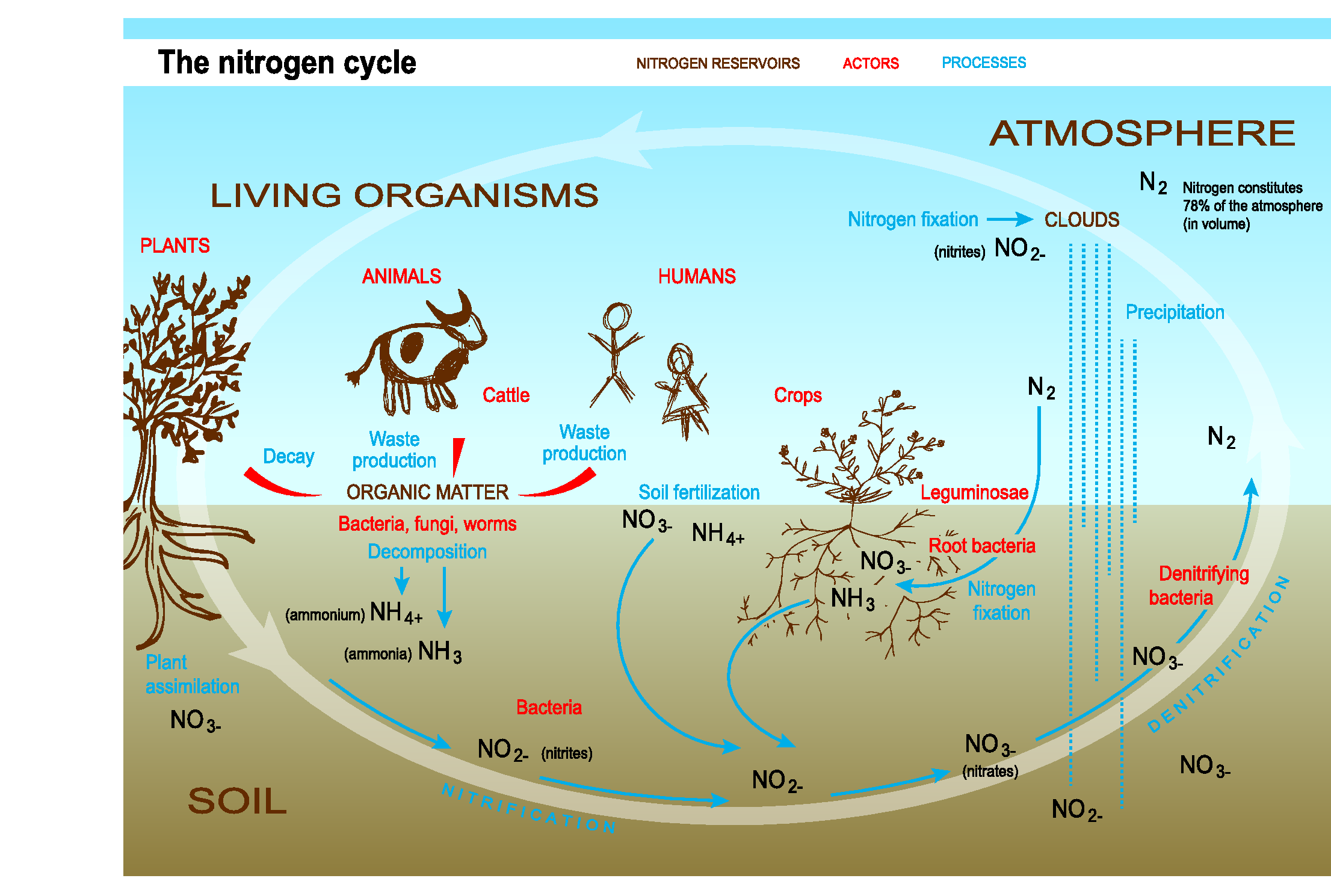
The Nitrogen Cycle European Environment Agency
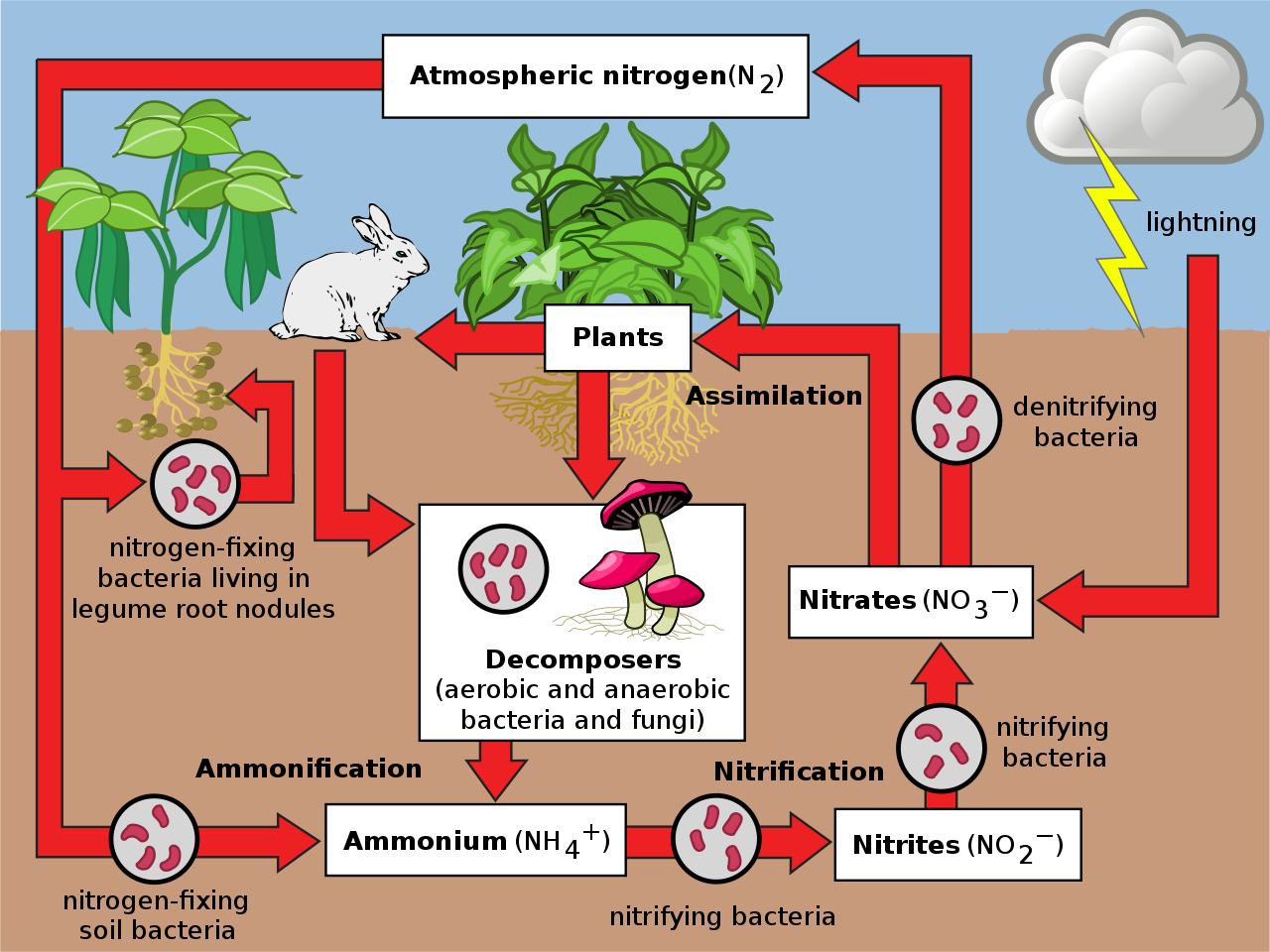
Nitrogen Cycle Components Process Role The Cyclic Path



0 Comments